
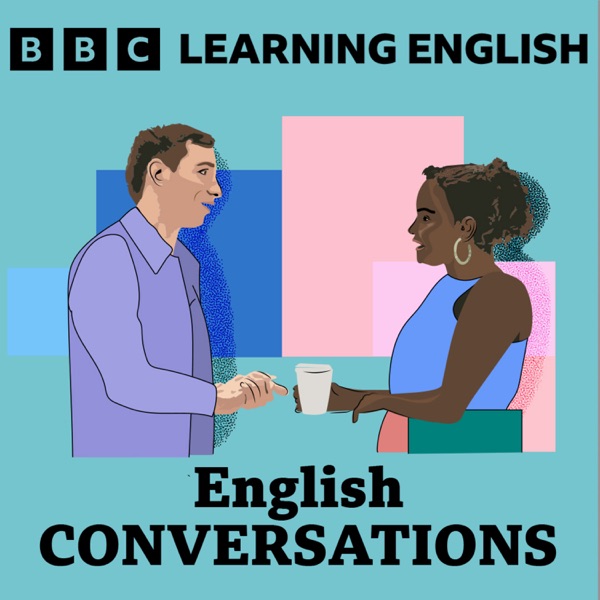

Learning English Conversations는 영국 BBC 월드 서비스의 영어 교육 전문 기관인 BBC Learning English에서 제공하는 대표적인 오디오 프로그램입니다. 이 팟캐스트는 전 세계의 중급 및 상급 영어 학습자들을 주요 대상으로 하며, 실제 생활에서 즉시 활용 가능한 구어체 영어와 현대적 관용 표현을 체계적으로 교육하는 데 목적을 두고 있습니다.
본 프로그램의 핵심 구성 요소 중 하나인 'The English We Speak' 세그먼트는 매주 영국 현지에서 빈번하게 사용되는 새로운 단어나 문구를 소개합니다. 단순히 사전적 정의를 나열하는 방식이 아니라, 원어민들 간의 일상적인 대화 시나리오를 통해 해당 표현이 어떤 상황과 맥락에서 적절하게 쓰이는지를 보여줍니다. 이를 통해 학습자들은 일반적인 교과서에서는 접하기 어려운 생생한 영국식 영어의 뉘앙스와 사회문화적 배경을 자연스럽게 습득할 수 있습니다.
또한, 이 팟캐스트는 언어적 지식 전달 외에도 학습자의 심리적 측면을 고려한 'Beating Speaking Anxiety'와 같은 특성화된 시리즈를 포함하고 있습니다. 외국어로 말하기를 주저하게 만드는 근본적인 원인을 분석하고, 실질적인 조언과 연습 방법을 제시함으로써 학습자들이 실전 대화에서 겪는 불안감을 완화할 수 있도록 돕습니다.
에피소드들은 대개 3분에서 10분 사이의 짧고 집약적인 형태로 제작되어, 바쁜 현대인들이 자투리 시간을 활용해 꾸준히 청취하기에 최적화되어 있습니다. 명료한 발음과 적절한 말하기 속도를 유지하면서도 실제 대화의 자연스러운 흐름을 놓치지 않는 것이 이 프로그램의 특징입니다. 각 방송 내용은 BBC Learning English의 공식 웹사이트와 밀접하게 연계되어 있어, 청취자들은 제공되는 대본과 추가 학습 자료를 통해 학습 효과를 극대화할 수 있습니다. 결과적으로 이 프로그램은 단순한 청취 교재를 넘어, 학습자가 다양한 영어권 환경에서 능동적으로 소통할 수 있는 실전 감각을 길러주는 종합적인 가이드 역할을 수행합니다.
에피소드 요약
This episode of The English We Speak explores the idiom passing ships, a metaphor used to describe people who have different schedules and experience only brief encounters. The hosts explain the imagery of ships passing in the night and provide practical examples of how to use the expression in daily conversation, such as when discussing busy work lives or family visits. The program also introduces the related phrase cross paths, which describes instances where two people's lives intersect. Listeners will learn how to use these expressions naturally, including variations like removing the word like to create a stronger metaphor.
챕터
챕터를 클릭하면 해당 지점으로 바로 이동합니다.
하이라이트
Passing ships. That's the expression we're learning in this programme.
00:00:32 · The hosts introduce the primary idiom of the episode.
Passing ships is often used to talk about busy adult life when two people are finding it hard to meet.
00:01:08 · The hosts define the typical social context for using this expression.
Now, because we're comparing ourselves to passing ships, we often use the word like. We're like passing ships.
00:01:52 · The hosts explain the grammatical structure of using the metaphor.
Now, another phrase that expresses a similar idea is cross paths.
00:02:04 · The hosts introduce a secondary idiom with a related meaning.
This episode of The English We Speak explores the idiom passing ships, a metaphor used to describe people who have different schedules and experience only brief encounters. The hosts explain the imagery of ships passing in the night and provide practical examples of how to use the expression in daily conversation, such as when discussing busy work lives or family visits. The program also introduces the related phrase cross paths, which describes instances where two people's lives intersect. Listeners will learn how to use these expressions naturally, including variations like removing the word like to create a stronger metaphor.
에피소드
The English We Speak: Passing Ships
청취함This episode of The English We Speak explores the idiom passing ships, a metaphor used to describe people who have different schedules and experience only brief encounters. The hosts explain the imagery of ships passing in the night and provide practical examples of how to use the expression in daily conversation, such as when discussing busy work lives or family visits. The program also introduces the related phrase cross paths, which describes instances where two people's lives intersect. Listeners will learn how to use these expressions naturally, including variations like removing the word like to create a stronger metaphor.
The English We Speak: Understood the assignment
청취함In this episode of The English We Speak, hosts Feifei and Georgie explore the modern slang phrase 'understood the assignment'. The discussion breaks down how the expression has evolved from its academic origins to become a way to praise someone for exceeding expectations or performing a task with perfect execution. The hosts provide various real-world examples, ranging from costume parties and restaurant dining to interior design and songwriting. The episode also introduces the related idiom 'go above and beyond' to describe efforts that surpass basic requirements.
The English We Speak: Onto something
청취함In this episode of The English We Speak, hosts Feifei and Becca explain the meaning and usage of the idiom 'on to something'. The discussion covers how the phrase is used to indicate that someone has discovered an important idea, clue, or a direction that suggests progress, often in a positive context. The episode also clarifies the distinction between being 'on to something' and being 'into something'.
The English We Speak: Sell yourself short
청취함Neste episódio do programa The English We Speak, as apresentadoras Feifei e Becca explicam o significado e o uso da expressão idiomática 'sell yourself short'. O episódio aborda como essa frase é utilizada quando alguém subestima o próprio valor ou faz comentários negativos sobre suas próprias capacidades, utilizando um diálogo contextualizado sobre uma reunião de trabalho.
The English We Speak: Wrap it up
청취함Neste episódio do programa The English We Speak, os apresentadores explicam o significado e o uso da expressão idiomática 'wrap something up'. O episódio detalha como a expressão é utilizada para indicar o ato de finalizar ou concluir algo, seja uma conversa telefónica, uma reunião ou um projeto de trabalho de longa duração. A discussão abrange as nuances de uso, incluindo situações de impaciência e o contexto de conclusões planeadas. Além disso, o programa explora termos relacionados, como 'that's a wrap' e 'wrap party', frequentemente utilizados na indústria cinematográfica.