

JTBC 뉴스룸

9963 - The race to classify the world’s unidentified species
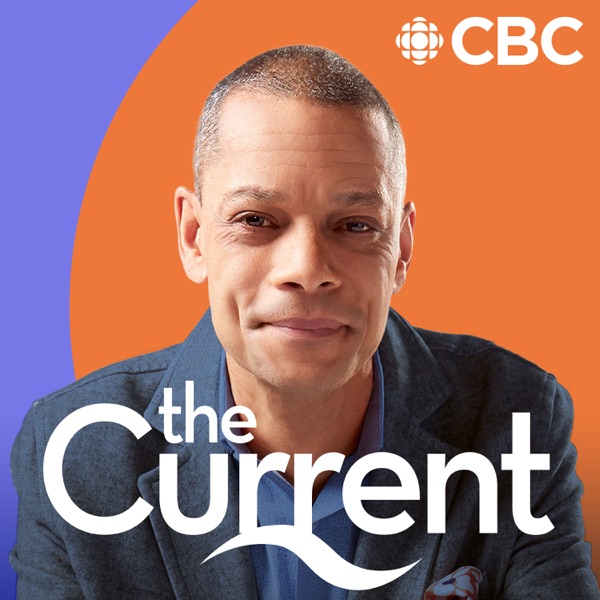
'The Current'는 캐나다 공영 방송사인 CBC(Canadian Broadcasting Corporation)를 대표하는 주력 시사 프로그램이자 팟캐스트로, 2002년 첫 방송 이후 20년이 넘는 시간 동안 북미 저널리즘의 중심적인 역할을 해왔습니다. 이 프로그램은 매일 평일 아침, 전 세계의 이목이 집중되는 주요 사건부터 우리 삶의 방식을 바꾸는 미묘한 사회적 변화에 이르기까지 폭넓은 주제를 심층적으로 다룹니다. 현재 진행을 맡고 있는 맷 갤러웨이(Matt Galloway)는 날카로운 분석력과 공감 능력 있는 인터뷰 스타일을 통해 청취자들이 뉴스의 이면에 숨겨진 본질을 이해할 수 있도록 돕습니다.
이 팟캐스트의 핵심적인 특징은 매일 세 가지 주요 이야기를 선별하여 파헤치는 구조에 있습니다. 단순한 사실 전달을 넘어, 각 분야의 전문가, 정책 결정자, 그리고 실제 현장에서 사건을 직접 겪는 당사자들과의 긴밀한 대화를 통해 입체적인 정보를 제공합니다. 특히 편향된 정보에 노출되기 쉬운 현대의 디지털 환경에서 'The Current'는 다양한 배경을 가진 사람들의 목소리를 가감 없이 전달함으로써 균형 잡힌 시각을 유지하는 것을 최우선 가치로 삼습니다.
제작진은 토론토 본사에 머물지 않고 캐나다 전역의 다양한 지역을 직접 방문하여 라이브 방송을 진행함으로써, 지역적 특수성과 국가적 의제를 연결하는 노력을 지속하고 있습니다. 이는 청취자들에게 단순히 정보를 소비하는 경험을 넘어, 공동체의 일원으로서 세상을 바라보는 확장된 시야를 제공합니다. 환경 문제, 국제 분쟁, 기술 혁신, 인권 이슈 등 현대 사회가 직면한 복잡한 난제들을 매일 아침 맷 갤러웨이의 진행과 함께 심도 있게 정리할 수 있습니다.
결과적으로 'The Current'는 바쁜 일상 속에서 세상의 흐름을 놓치지 않으려는 이들에게 신뢰할 수 있는 이정표가 되어줍니다. 고품격 오디오 저널리즘과 인터뷰가 결합된 이 프로그램은 캐나다 방송 저널리즘의 정수를 보여주며, 글로벌 이슈에 관심이 있는 전 세계 청취자들에게도 깊이 있는 통찰력을 제공하는 필수적인 시사 콘텐츠로 자리매김하고 있습니다.
In this episode of The Current Podcast, host Matt Galloway interviews Dirk Steinka, a research scientist at the University of Guelph, regarding the ongoing discovery of new species across the globe. The conversation explores recent breakthroughs, such as the identification of a new cat species in the Bolivian cloud forest and a new penguin species, highlighting how advancements in genetic analysis and DNA barcoding are accelerating scientific descriptions. Steinka discusses the staggering estimates of unidentified insect species, the distinction between local observation and formal scientific discovery, and the critical importance of identifying biodiversity to implement effective conservation efforts.
챕터를 클릭하면 해당 지점으로 바로 이동합니다.
our estimate went as far as saying there's a minimum of 20 million species of insects out there
00:02:20 · The scientist provides a staggering estimate for the number of unidentified insect species on Earth.
We call it a DNA barcode, likens it a little bit to the supermarket barcode that we all know.
00:06:10 · Steinka explains how genetic snippets are used to quickly and cost-effectively distinguish between different species.
If we want to protect the life around us, we need to understand what's there.
00:07:38 · The interviewee emphasizes that identification is a fundamental prerequisite for conservation efforts.
Sometimes I think we overestimate us very much so and our importance in this system.
00:08:26 · Steinka reflects on how the vast scale of unknown biodiversity serves as a humbling reminder of humanity's place in nature.
In this episode of The Current Podcast, host Matt Galloway interviews Dirk Steinka, a research scientist at the University of Guelph, regarding the ongoing discovery of new species across the globe. The conversation explores recent breakthroughs, such as the identification of a new cat species in the Bolivian cloud forest and a new penguin species, highlighting how advancements in genetic analysis and DNA barcoding are accelerating scientific descriptions. Steinka discusses the staggering estimates of unidentified insect species, the distinction between local observation and formal scientific discovery, and the critical importance of identifying biodiversity to implement effective conservation efforts.
In this episode of The Current Podcast, host Matt Galloway interviews Dirk Steinka, a research scientist at the University of Guelph, regarding the ongoing discovery of new species across the globe. The conversation explores recent breakthroughs, such as the identification of a new cat species in the Bolivian cloud forest and a new penguin species, highlighting how advancements in genetic analysis and DNA barcoding are accelerating scientific descriptions. Steinka discusses the staggering estimates of unidentified insect species, the distinction between local observation and formal scientific discovery, and the critical importance of identifying biodiversity to implement effective conservation efforts.
In this episode of The Current Podcast, Matt Galloway interviews sisters Vienna and Shaughnessy Luke about their pursuit of justice following a 2007 sexual assault. They discuss the devastating long-term impact of the perpetrator's actions on their family and the discovery of evidence regarding the use of ketamine that led to an undercover police operation. Vienna describes the RCMP's undercover strategy to secure a confession from the perpetrator, involving role-playing and the promise of family reconciliation. The episode concludes with reflections on the sisters' bravery and the emotional toll the journey has taken.
In this episode of The Current Podcast, host Matt Galloway interviews veteran foreign correspondent Paul Workman about his decision to hide a life-threatening diagnosis of myelofibrosis while reporting from global conflict zones. Workman discusses the physical and emotional challenges of managing a rare blood cancer, including undergoing frequent blood transfusions and administering medication while serving as the London bureau chief for CTV. The conversation explores the moral complexities of keeping his illness secret from his employer to avoid being grounded, the logistical difficulties of maintaining a professional facade in high-pressure environments, and the broader implications of news organizations closing international bureaus. Workman shares why he has recently chosen to go public with his story to raise awareness for myelofibrosis and support research foundations.
This episode explores the complex political landscape of the upcoming Quebec election, examining the dynamics between five competing parties and the lingering tension surrounding a potential referendum. The discussion delves into critical domestic issues, including healthcare privatization, economic stability, and the impact of immigration on regional demographics and the French language. The conversation also addresses the influence of external figures like Donald Trump and Mark Carney on provincial politics. Ultimately, the episode concludes with an analysis of the current political climate and predictions for a potential minority government outcome.
Host Matt Galloway interviews David A. Graham, a staff writer with The Atlantic, regarding the Trump administration's recent ban on CNN, MSNBC, and Politico from the White House. The discussion explores the implications of using presidential power to restrict media access, the retaliatory suspension of video coverage by major networks like ABC, CBS, Fox News, and NBC, and the legal challenges currently underway. Graham analyzes the president's long-standing obsession with press coverage and examines how recent restrictions on Pentagon reporting and the use of anonymous sources impact public trust in journalism. The episode also touches upon the broader political landscape, including inflation, the war in Iran, and the potential for continued verbal warfare between the administration and the media leading into the midterms.